


 4 Min
4 Min In Conditions

Follow this topic

Bookmark

Record learning outcomes
Much is made of the arrival of a baby’s first tooth, which tends to emerge at around six months old. Since ‘baby teeth’ usually fall out when a child is between six and 12 years old, there can be a misconception that they don’t need looking after, but good oral hygiene matters from day one.
“First teeth are extremely important,” explains Karen Coates, oral health content specialist at the Oral Health Foundation (OHF). “Baby teeth help with speech, nutrition, and holding space for permanent teeth. Early decay can lead to infections and alignment problems.”
Unfortunately, the UK lags behind in terms of good oral hygiene practices, with child tooth extractions due to decay costing the NHS over £40 million each year, according to the OHF.
The number one reason for children (around 40,000 per year) and young people to be admitted to hospitals for general anaesthetics is to remove decayed teeth,” explains Karen.
Adults are not faring much better, with 47 per cent reporting experiencing at least one oral health impact in the last year, according to the OHF.
Prevention is the cornerstone of good oral health and understanding how to care for teeth and gums from a young age can prevent many issues from occurring. Pharmacy teams are a key resource in their communities to promote good oral hygiene habits from an early age and help spot and signpost some common concerns.
“Early diagnosis and treatment are vital to not only save lives but the earlier detected, the less complex the treatment is and lifestyle outcomes are better,” says Karen.
“Nine per cent of adults show signs of severe gum disease”

Sensitive teeth
A sharp pain or dull ache that occurs after consuming something hot, cold, sweet or acidic can indicate sensitivity. When the tooth’s protective enamel layer is worn down, it leaves more sensitive parts, such as the root, exposed.
Damage can be caused by acid wear from foods or stomach acid, gum disease, grinding teeth, damage to teeth, teeth whitening products and even over-brushing. “Scrubbing aggressively can actually harm teeth and gums,” says Karen.
To combat this, pharmacy teams can share brushing tips (see box, right) and recommend an over-the-counter sensitive toothpaste which helps create a barrier on the tooth, preventing pain.
After brushing, customers should avoid rinsing their mouth with water so the toothpaste can remain coated on the tooth. Reducing consumption of acidic or sugary drinks will also prevent further damage.
Customers should be advised to visit a dentist if they are experiencing severe pain or sensitivity lasting more than a few weeks.

Bad breath
Bad breath can be a source of embarrassment, so it is important for pharmacy teams to offer support without judgement and to reassure sufferers that there are solutions.
First, it is important to rule out more serious concerns that can cause bad breath such as gum disease (see the page opposite) to ensure issues are treated effectively. If bad breath is caused by lifestyle factors, customers should be able to manage this at home.
Good oral hygiene practices such as cleaning the teeth correctly and regularly seeing a dentist every six months can make a big difference.
“Routine cleanings and exams help prevent issues and detect problems early, saving time, money, and discomfort,” says Karen.
Lifestyle tips to aid with bad breath include avoiding smoking – a significant risk factor for poor oral health – and consuming strong-smelling or sugary foods and drinks.
Customers should be advised to visit the dentist if they have unexplained bad breath lasting a few weeks or pain affecting teeth and gums.
Broken teeth and lost fillings
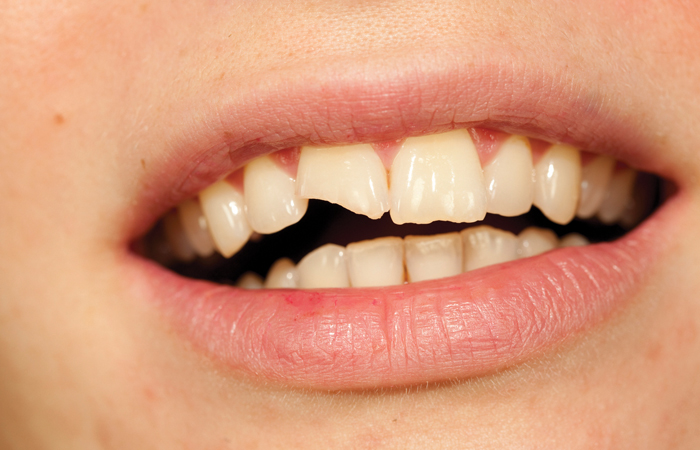
Although teeth are the hardest substance in the body, they are prone to physical damage. Broken, chipped or cracked teeth and lost fillings can be incredibly painful and sensitive.
If a customer comes into the pharmacy with broken teeth or missing fillings, they should be advised to see a dentist to have the tooth repaired.
OTC dental kits now available in pharmacies include a temporary filling material that can be used as a short-term solution.
“If someone has broken a tooth, lost a filling or had a crown come out, these temporary cements can help to reduce any pain or sensitivity until they can get a dental appointment,” advises Karen. “These kits should not be used in place of professional care, or long-term.”
If a customer comes in to purchase an OTC kit, pharmacy teams should advise them how to use it safely and to make a dental appointment as soon as possible.
Cleaning techniques
Effective brushing and flossing are essential for good oral hygiene, and getting this right from a young age can prevent a myriad of oral health concerns.
Brushing
Customers should be brushing their teeth twice a day (last thing at night and one other time) for two-minutes with a fluoride toothpaste. In terms of age specific cleaning, Karen Coates, oral health content specialist at the Oral Health Foundation recommends:
- Newborn to three years old: the level of fluoride in the toothpaste should be 1000 parts per million (PPM). Using a smear of toothpaste on a small headed, soft bristle toothbrush, children should be supervised toothbrushing until they are at least seven years old
- Over 3 years old: the fluoride level should be between 1350-1500 PPM. A pea-sized blob should be used on a toothbrush with a small to medium head with soft to medium bristles.
“Brushing removes plaque and bits of food from the inner, outer and biting surfaces of your teeth,” says Karen. “Many studies have shown that electric toothbrushes are more effective at removing plaque than manual toothbrushes.” She recommends:
- Placing the head of the toothbrush against the teeth, then tilting the bristle tips to a 45-degree angle against the gumline. Move the brush in small circular movements, several times, on all the surfaces of every tooth
- Brush the outer surface of each tooth, upper and lower, keeping the bristles angled against the gumline
- Repeat on the inside surfaces of all teeth
- To clean the inside surfaces of the front teeth, tilt the brush vertically and make several small, circular strokes with the front part of the brush
- Brush the biting surfaces of the teeth
- Brush the tongue to help freshen breath and clean the mouth by removing bacteria.

Flossing & interdental brushes
Pharmacy teams can help bust a common myth that flossing isn’t necessary if people brush their teeth well. “Flossing removes plaque and food particles between teeth where decay and gum disease often start,” Karen explains.
Flossing should be done at least once a day using an interdental brush, floss or an electric flosser.
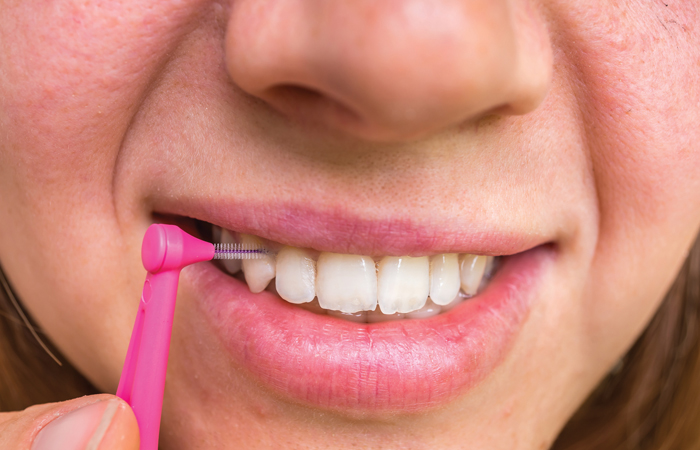
Interdental brushes are small, handheld brushes that can be used to clean between the teeth. They come in a variety of sizes to suit individual needs, depending on the spacing of the teeth.
Electric flossers work by spraying pressurised water between the teeth – useful for those who find traditional flossing or interdental brushes hard to use.
Tongue scrapers & mouthwashes
Customers can also use a tongue scraper to gently remove bacteria from their tongue, and are advised to rinse with mouthwash once they have brushed and flossed.
For more information, visit: dentalhealth.org
“The number one reason for children and young people to be admitted to hospitals for general anaesthetics is to remove decayed teeth”
Gum disease
Some nine per cent of adults show signs of severe gum disease, according to the OHF. However, many more are thought to be affected to some degree.
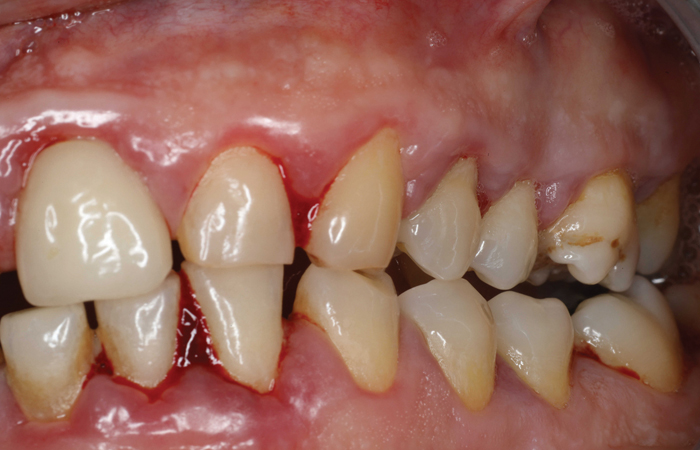
Gum disease starts off as painless. If blood appears when brushing or flossing, this can indicate early onset gum disease known as gingivitis. This is caused by a build-up of plaque (a sticky layer of bacteria) which irritates the gums.
If left untreated, gingivitis can develop into periodontal disease, where teeth can become damaged and even fall out. Unlike gingivitis, periodontal disease cannot be reversed.
“Usually, gum disease will be diagnosed by a dentist or dental hygienist,” says Karen. Customers with any of the following symptoms should seek advice from a dental team:
- Red or swollen gums
- Bleeding when brushing or eating
- Bad breath
- A bad taste in the mouth.
A dentist or dental hygienist will thoroughly clean the teeth to remove plaque and hardened plaque (tartar) and demonstrate the best way to clean teeth and gums at home, explains Karen.
Several appointments may be needed, especially if gum disease is more advanced. If gum disease cannot be maintained, referral to a gum specialist (periodontologist) may be required.
Swelling and infection
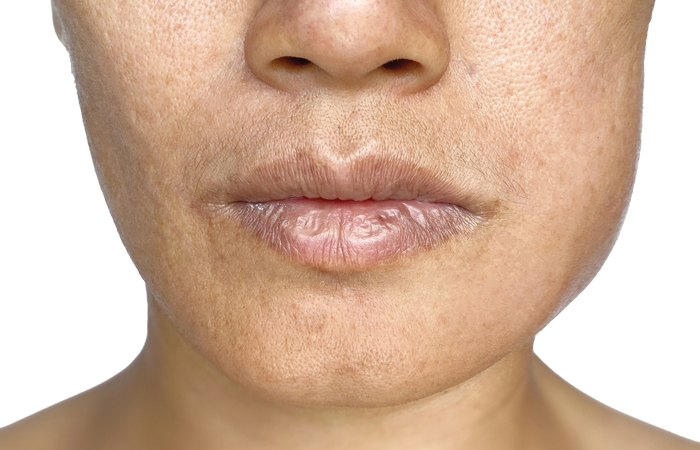
“Facial swelling related to dental infections can occur when bacteria spread from an infected tooth or gum into the surrounding tissues.
It can present as swelling of the cheek, jaw or face, often with pain, tenderness, fever or difficulty opening the mouth,” says Miranda Pascucci, head of clinical education and dental therapist at TePe.
Infection, facial swelling and a build-up of pus in the mouth or around a tooth will not heal on its own, with some cases requiring antibiotics.
“Pharmacy teams should treat facial swelling as a red flag and advise customers to seek urgent dental care, as the infection needs professional assessment and treatment. Pain relief may help symptoms short-term, but it will not resolve the underlying infection,” adds Miranda.
Pain and movement
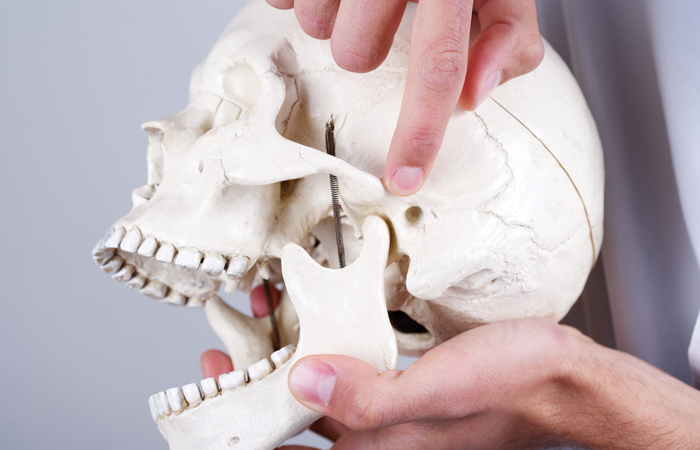
Jaw pain and temporomandibular joint (TMJ) disorders (issues affecting jaw movement) may be alarming but often clear up on their own. “They can be linked to teeth grinding, clenching, stress or injury,” explains Miranda.
“Customers may experience aching around the jaw, ear or temples, clicking or popping, headaches, or difficulty chewing.”
She adds that pharmacy teams can pass on self-care tips such as suitable pain relief, warm compresses, avoiding hard or chewy foods, and reducing habits such as clenching or nail biting.
“Those who grind their teeth at night should speak to a dentist about a mouthguard that is tailor-made and can be worn at night to alleviate TMJ issues,” she says.
Anyone experiencing jaw pain should visit a dentist if pain or immobility persists.
Signs of mouth cancer
Over the last decade, cases of mouth cancer have risen by 38 per cent in the UK, according to the Mouth Cancer Foundation (MCF), with deaths increasing by five per cent in the last year.
Risk factors include smoking, drinking alcohol, an unhealthy diet, UV radiation, family history and the human papilloma virus.
Pharmacy teams can play a key role in identifying red flag symptoms. This is important, since early detection can boost chances of survival from 50 per cent to 90 per cent, says the Oral Health Foundation.
According to the MCF, red flag indicators of mouth cancer to be aware of include:
- Ulcers that take over three weeks to heal
- Mouth discomfort or pain
- Swelling/lumps in the mouth or neck
- Bleeding from mouth or throat
- Red or white, hard or rough patches in the mouth
- Loose teeth
- Difficulty swallowing or chewing
- Persistent hoarseness or voice changes
- Persistent coughing or feeling something is stuck in the throat.
For more information, visit: mouthcancerfoundation.org
Inequalities
Oral health is closely linked with health inequalities. Since the pandemic, one-in-four (25 per cent) said they used private dentistry because they could not find an NHS dentist, according to the OHF, noting that for children, decay-related extractions are around 3.5 times higher in the most deprived areas compared with the least deprived.
“Poor oral health can prove to have a huge impact on many areas of a person’s health and wellbeing, both physically and mentally,” explains Catherine Rutland, head of policy at Dentaid.
“It can be an early sign of many other diseases affecting different parts of the body, including diabetes, cardiovascular issues and cancer. Bacteria that builds up in the mouth can enter the bloodstream or, if it lives in plaque, can be inhaled and reach the gums.”
Those affected by oral health inequalities in the UK also include “those living in poverty and in areas of deprivation, people experiencing homelessness, those facing alcohol or drug dependency, or those unable to come forward for treatment because of their complex living situations,” adds Catherine.
Pharmacy teams can encourage those struggling to “check with their local foodbank or hygiene bank about whether they have supplies of toothbrushes, toothpaste or other products such as floss or mouthwash”, says Catherine.
For more information on how to fight oral health inequalities visit: dentaid.org.
Finding an NHS dentist
If a customer is unable to get a dentist appointment, the referral pathway suggested by the NHS is to call 111 or visit: nhs.uk/service-search/find-a-dentist/ to find a local dentist. A cost may apply.

Share:


In Conditions